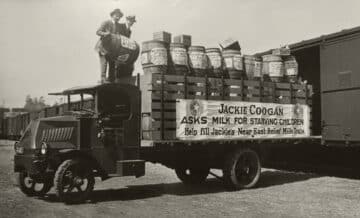
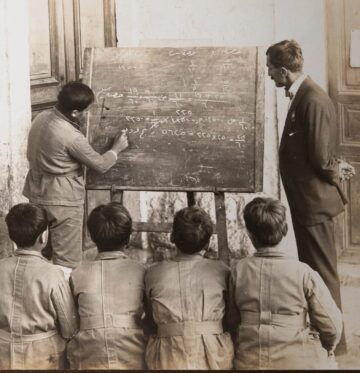
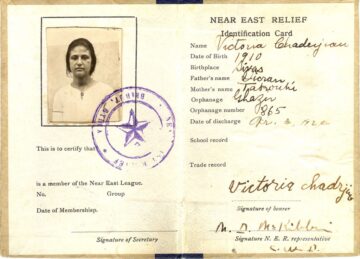
"Bought with 60 Suits" — Goods or services purchased with donated American clothing in the Near East
Context
Part of NER's "Bought with…" photo series, used in fundraising materials to invert the donor's frame. Instead of showing what a dollar could buy, these images showed what a suit of donated American clothing could buy in the Near East. Sixty donated suits — the number cited here — translated into a substantial purchase, because in the inflation-distorted economies of post-war Constantinople and the Caucasus, donated American clothing functioned as a de facto second currency.
NER's Bundle Day clothing drives, which collected millions of pounds of donated American garments, depended on this hidden exchange rate to convert ordinary household castoffs into the operational fabric of the relief effort.
No known copyright restrictions. Based on available information, NERHS is not aware of copyright restrictions on this material. Items are presented for non-commercial research and educational use. Users are responsible for determining rights status and compliance with applicable law.
From RAC FA406, Series 5 (Jaquith Papers), Box 143. Jaquith served as NER Managing Director in Constantinople from April 1921. The “Bought with” series likely illustrated fundraising materials showing donors the tangible impact of clothing donations.