Answering the Call: How America Mobilized
The 1910s were a time of global upheaval. Empires collapsed, and the world descended into war. Against this backdrop, the Ottoman Empire orchestrated a genocide against its Armenian, Greek, and Assyrian populations. The American people responded by forming Near East Relief.
1800–1909
A Crumbling Empire
Religious minorities lived as second-class citizens with limited rights under the oppressive rule of the Ottoman government. The once-powerful Empire began its slow decline when territories such as Bulgaria and Serbia sought independence.
1914–1915
The Genocide
By 1914, civil rights for Ottoman Armenians finally seemed within reach. But, with the world descending into war, the quest for equality would soon become a struggle to survive.
1915–1916
Taking Action
Ambassador Morgenthau informed the U.S. State Department of the “campaign of race extermination” in the Ottoman Empire. In September 1915, a group of American businessmen, educators, and philanthropists formed a committee to address the atrocities. That committee later became Near East Relief.
1915–1919
Relief Begins
Near East Relief embarked upon an unprecedented rescue mission. The organization created orphanages to care for thousands of children. Near East Relief ultimately saved more than 1 million lives.
1919–1927
Citizen Philanthropy
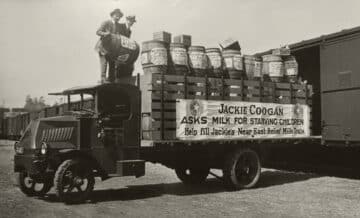
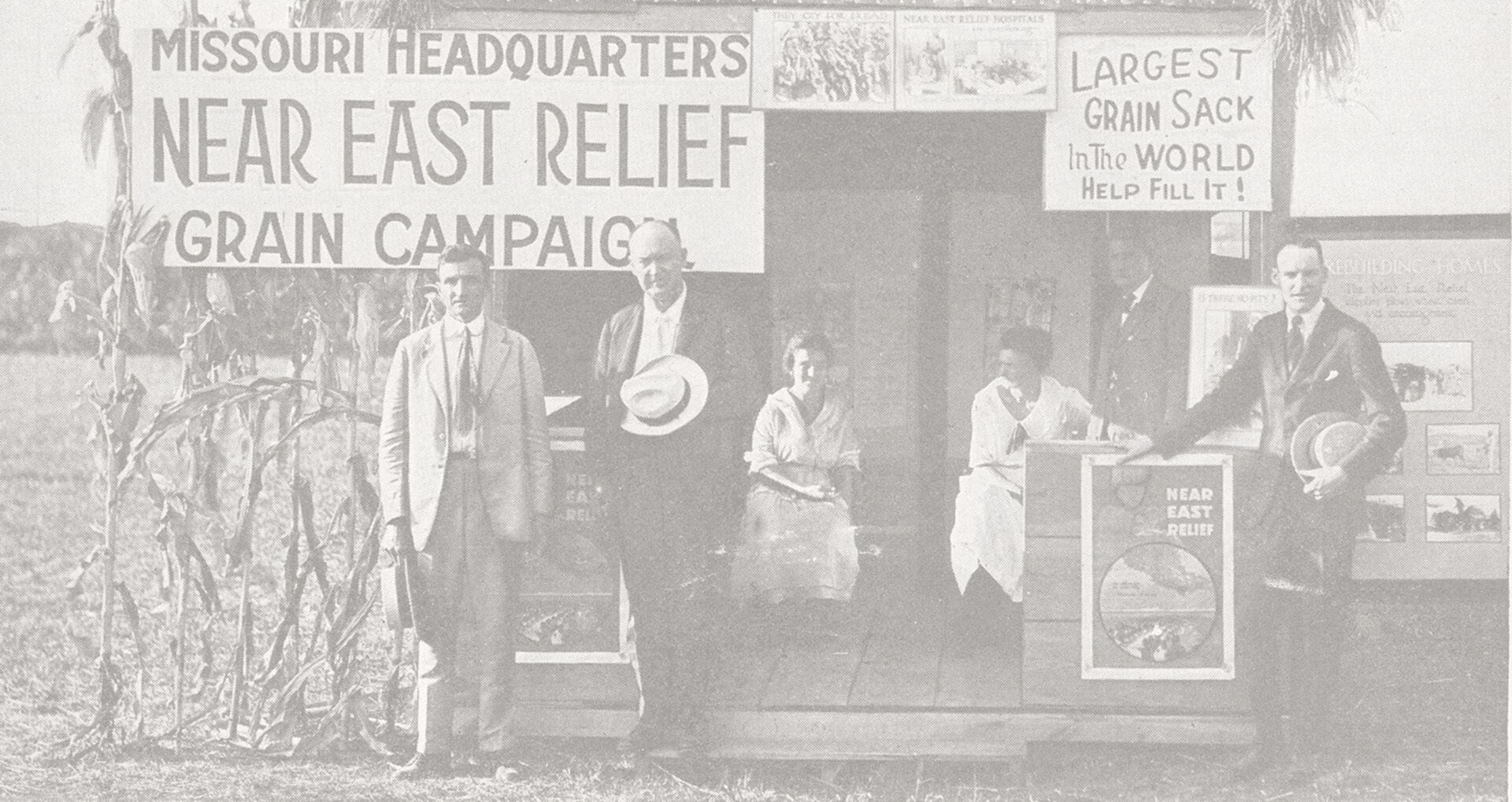
Near East Relief launched a fundraising initiative that would change the face of international philanthropy. The organization used words, photographs, graphic design, and the new medium of film to create a truly multimedia campaign. There was an outpouring of support from the American people. Near East Relief raised $116 million.
1918–1922
The Burning of Smyrna
In September 1922, after Turkish Nationalist forces retook Smyrna (Izmir), fire destroyed the city’s Armenian and Greek quarters. Most historians conclude the fire was set by Turkish forces. This disaster was a turning point in Near East Relief’s work. Relief workers curtailed operations in Turkey and evacuated approximately 22,000 children to Greece, Syria, Palestine, and the Caucasus.
1915–1930
Growing Up
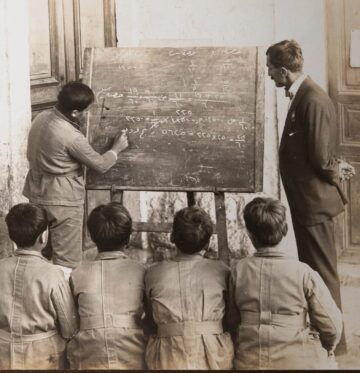
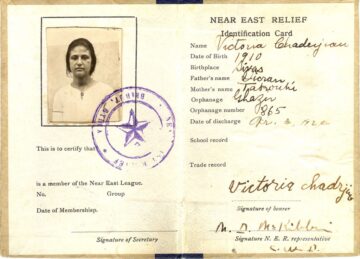
From 1915 to 1930, Near East Relief cared for more than 132,000 children in a vast orphanage system. Near East Relief provided food, clothing, shelter, and vocational training. Children living in nearby refugee communities also benefitted from orphanage resources.
1930–onward
The Legacy of Near East Relief
The violence and turbulent changes of the 1910s and early 1920s slowed by the mid-1920s. Refugees started new lives and new communities. Orphans grew into young adulthood as the region settled into fragile new divisions. It was time for Near East Relief to change as well.