
Resources for Students & Researchers
Start Here
Near East Relief’s records are dispersed across many institutional repositories and private archives around the world. The Digital Museum and Archive serves as an integrated research hub by bringing select digitized materials together in one place so students and researchers can discover, compare, and interpret sources across collections.
The site supports research on two levels:
- The Archive is a searchable repository containing digitized photographs, letters, diaries, publications, and administrative records.
- The Museum offers curated exhibits and Dispatches that draw on archival materials to provide narrative context and historical analysis.
We continue to expand both the Archive and the Museum as additional material is processed and published.
Create free account & Access THE ARCHIVE
What You Will Find in the Archive
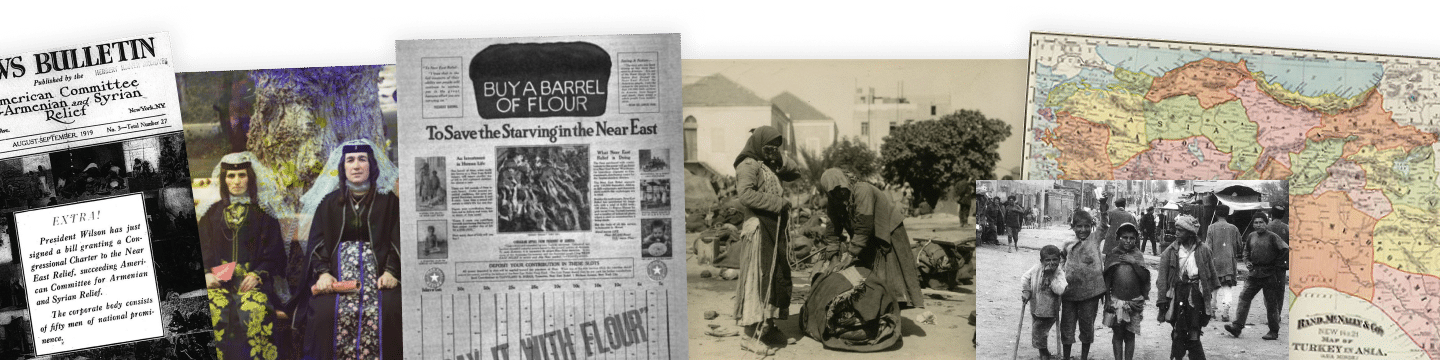
The Digital Archive contains primary materials from the Near East Foundation records, along with digital surrogates from partner institutions and public sources.
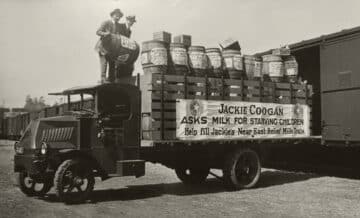
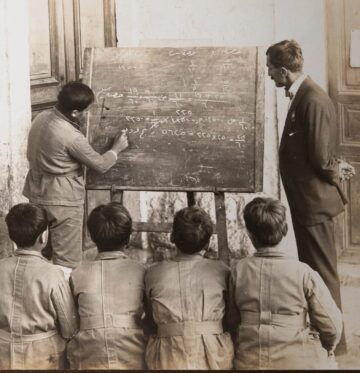
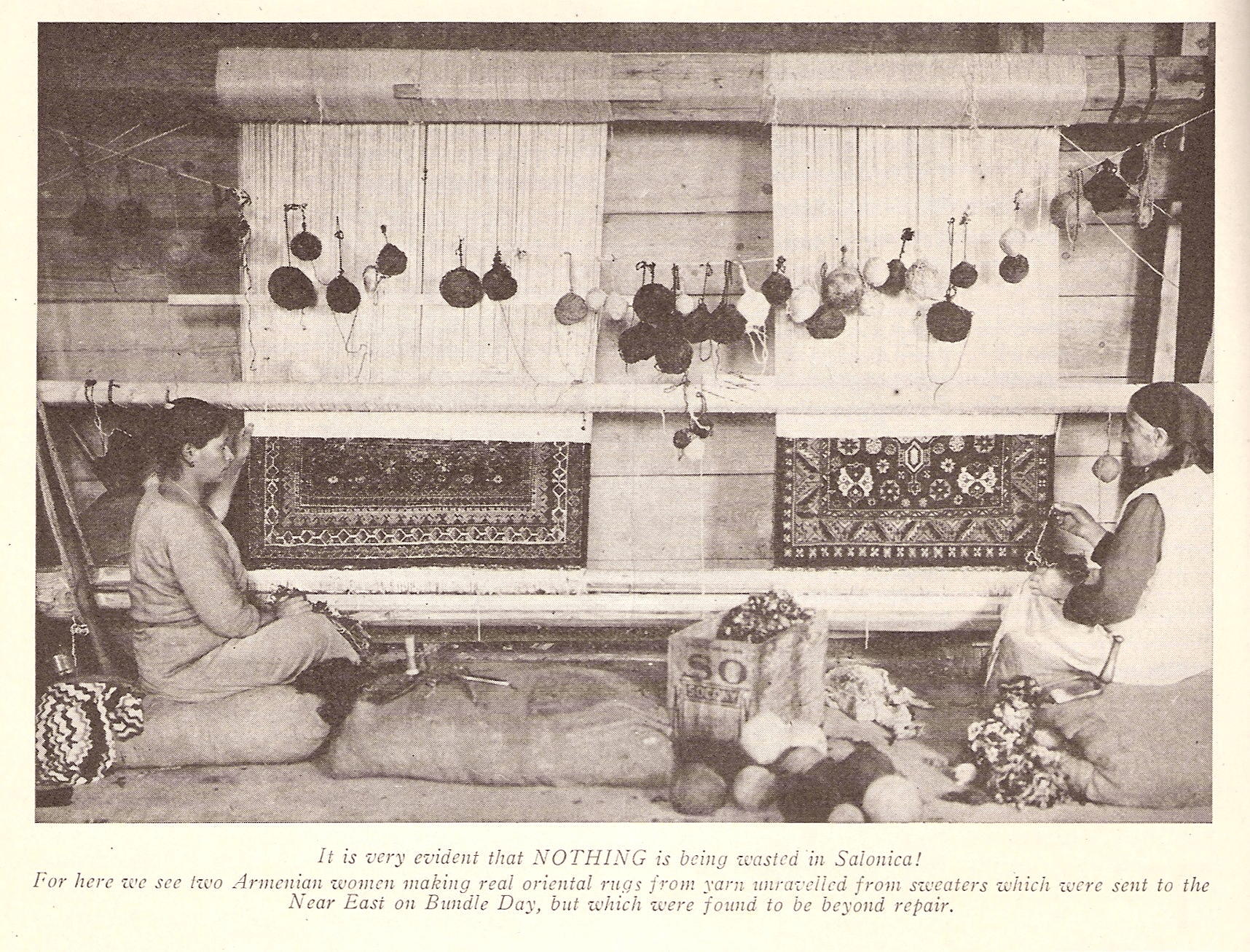
- Photographs and Albums: Field photographs, portraits, facilities and sites, and documentary images preserved in personal and institutional sets.
- Letters and Journals: Letters home, field diaries, and personal records that document daily work, movement, and conditions as recorded at the time.
- Institutional Records: Board minutes, field reports, activity and situation reports, administrative correspondence, and operational files that show how relief work was organized and documented.
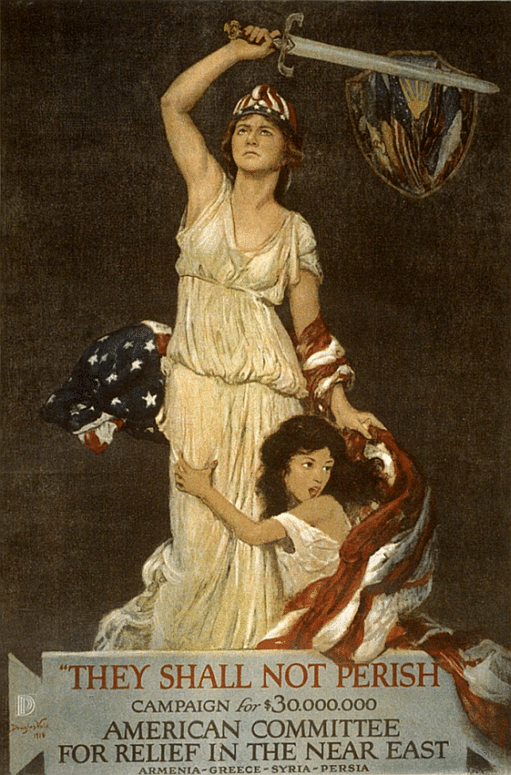
- Publications and Printed Materials: Newsletters and periodicals, posters and appeals, and other printed records created for communication, mobilization, and reporting.
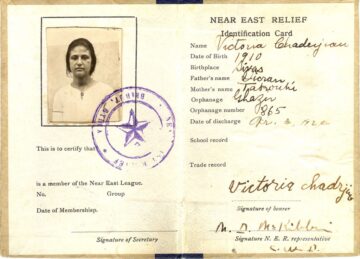
- Facility and Child Records (where available): Admissions and registry materials that document care systems and institutional operations. Note: Records for individual children are limited, though we are working actively to expand this collection.
Connecting Dispersed Collections
A central goal of the Digital Museum and Archive is to help you trace connections between personal accounts and official documentation across dispersed holdings. Try this practical workflow:
Start With an Anchor
Choose a person, place, institution, date range, or event using the Archive Search.
Triangulate Sources
Pair at least two record types; for example, a photograph set or diary with an institutional report or publication from the same period.
Compare Different Perspectives
Look for parallel descriptions of the same events in personal records, organizational documentation, and external reporting. For example, the displacement of Anatolian Greeks from 1921 to 1922 is documented variously by NER relief workers, NER administrators, U.S. and European diplomats, and Turkish Government officials. Each offers a unique first-hand observation of the same event.
Follow Linkages
Track names, facilities, locations, ships and ports, publication issues, and repeated dates to move across collections.
Capture Citations
Record the holding institution, item identifier, and link to the item page as you go.
Where the Collections Reside
Original records related to Near East Relief are held around the world. Many are preserved in institutional repositories; others remain with private collectors and families.
The Near East Relief Historical Society (NERHS) does not replace holding institutions. Instead, we seek to connect them by providing a structured way to discover relevant collections regardless of their physical location. Materials in the Digital Archive are view-only. Each item page links back to the holding institution, where high-resolution downloads and rights guidance are often available.
Archival Repository Directory
We also maintain a Repository Directory that points to collections held elsewhere. The directory allows you to discover resources even when they are not yet part of our digital holdings.
Citing and Reuse
When using materials found in the Digital Archive, you should cite the holding institution as the source of record. Item pages provide key details to support citations, including the holding institution’s preferred citation format (when available).
Copyright status and reuse conditions vary by repository and by item. Researchers should follow the guidance of the holding institution regarding publication, reproduction, and commercial use.