Resources for Educators
Bringing History to Your Classroom or Community
The Near East Relief Historical Society supports teachers, public educators, and community organizations in investigating the history of the Armenian, Greek, and Assyrian Genocides through the lens of America’s first large-scale, citizen-led humanitarian response abroad.
Whether you are teaching in a classroom, hosting a program in a library, or convening a community discussion, we offer primary-source materials, exhibitions, and curriculum resources designed to engage diverse audiences.
They Shall Not Perish
Documentary Film
This feature-length documentary brings the history of the relief effort to life for contemporary audiences. Drawing on archival footage, historical photographs, personal letters, and interviews with leading historians, the film traces the nation-wide mobilization that sustained a long-term relief response in the aftermath of mass violence and forced displacement.
The film can be used for classroom instruction, is an ideal companion to the curriculum guide, and is available for educational screenings, community events, and public discussions.
They Shall Not Perish
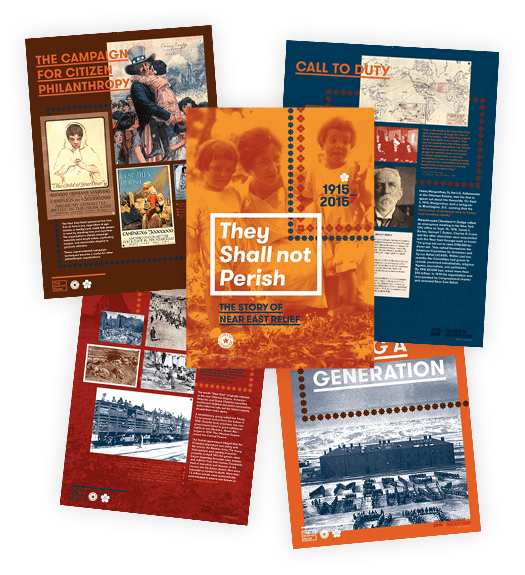
Panel Exhibition
Bring the archive to your school, church, library, or organization with this high-resolution traveling exhibition. The 27-panel set chronicles the history of the humanitarian crisis, the formation of Near East Relief, and the scope of the American response. It features photographs, documents, and maps drawn from the archival record.
Hosting the Exhibition: This resource is available free of charge to schools, non-profits, and religious institutions. After signing an Exhibition Agreement, partners receive secure digital files to print and display the panels locally.
Note: Depending on your location, we may be able to lend physical foam-core panels and poster stands for your event. Please inquire about availability when you request the exhibition.
Comprehensive Classroom Curriculum
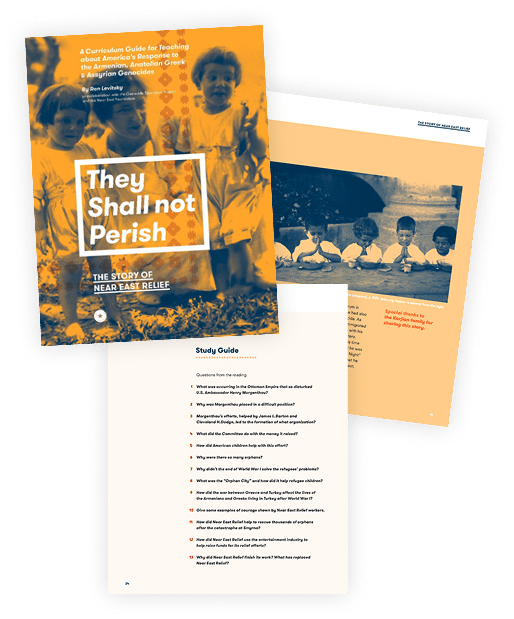
Developed in collaboration with the Genocide Education Project and authored by educator Ron Levitsky, this guide supports critical engagement with the history of Near East Relief through primary sources.
Designed for middle and high school classrooms, the curriculum supports units on World War I, history, genocide studies, and civic engagement. Key features include:
- Primary Source Analysis: Document-based activities using historical telegrams, maps, and photographs.
- Critical Discussion: Questions that explore the ethics of philanthropy and international intervention.
- Flexible Format: Lessons that can stand alone or accompany the panel exhibition or documentary film.
Guest Speakers
NERHS staff and associated scholars are available for virtual or in-person speaking engagements. We work with organizers to provide historical context, introduce participants to the archive, and discuss the legacy of American humanitarian action.
Are you connected to a Near East Relief orphan or relief worker?
The archive is a collaboration with descendants and families. If you have photographs, letters, diaries, or other materials related to a Near East Relief worker, orphanage, or community, your contribution can help complete the historical record.
Digital Archive
From Posters To Portraits
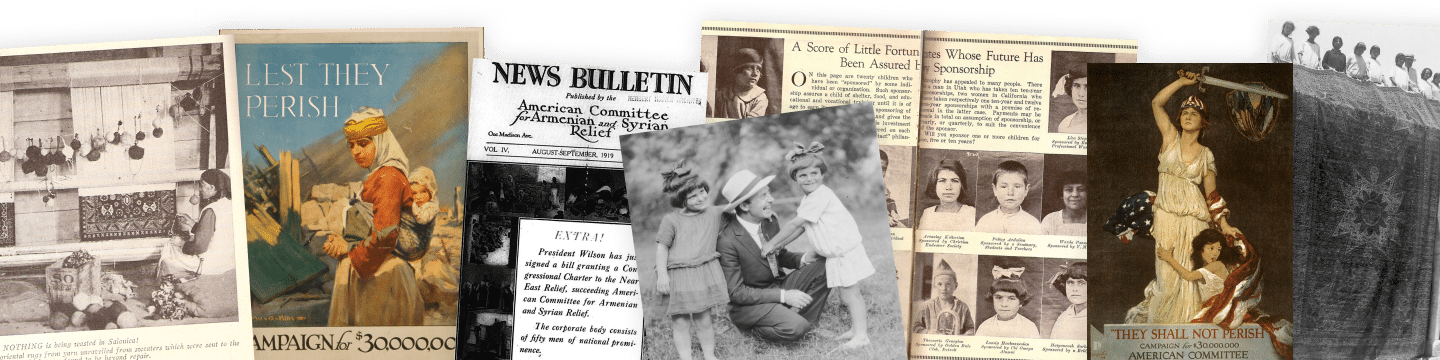
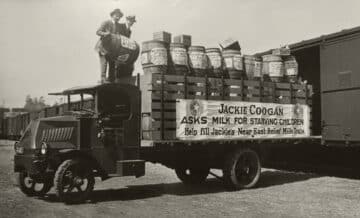
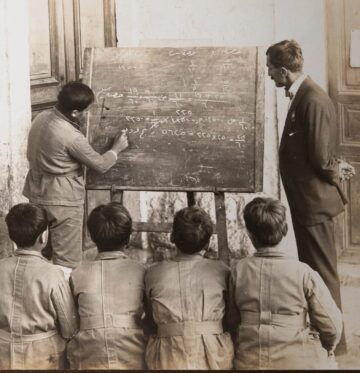
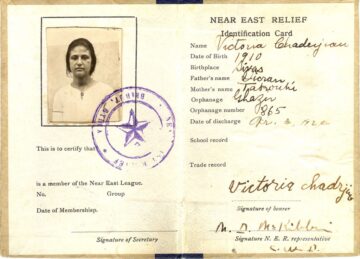
The Digital Archive preserves the documentary record of the relief effort. Over 44,000 digitized items – including photographs, correspondence, field reports, and first-person accounts – document the crisis, the relief response, and the lives it touched.