Location

Harpoot (Kharpert)

Year

1920

Item Detail

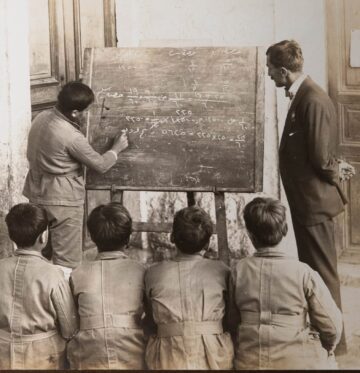
The Allies were settling the postwar borders of the former Ottoman Empire and the United States had recognized the First Republic of Armenia. Near East Relief stations were moving from emergency aid toward health care, child welfare, agriculture, and vocational work, and the programs differed from place to place. Field reports review a year of work at Harpoot, Smyrna, Samsoun, Caesarea, Mardin, the Caucasus, and Syria. They record daily meals for 4,400 children at Harpoot, work for 300 women at Mardin, and plans to expand mills, farms, and workshops across the system.

Context

The New Near East was Near East Relief's monthly publication that reported on the organization’s work and mobilized financial support from American readers. Its articles preserve evidence of field conditions and institutional decisions, but they frame that evidence through Near East Relief’s own appeals for support.

View in the Digital Archive
  • Holding Institution

    Rockefeller Archive Center

  • External Link

  • Attribution

    Near East Foundation Collection, Rockefeller Archive Center

  • Rights

    No known copyright restrictions. Based on available information, NERHS is not aware of copyright restrictions on this material. Items are presented for non-commercial research and educational use. Users are responsible for determining rights status and compliance with applicable law. If you believe you hold rights in this material or have information about rights holders not currently reflected, please contact [email protected].

  • Notes

    Masthead: Vol. V, No. 9 (Total No. 37), May 1920. Published by Near East Relief, New York.

  • Document Contents

    * “Harpoot,” by Mary W. Riggs, reports 34 American workers and daily meals for 4,400 children.

    * “A Year’s Work in Smyrna” reviews the girls’ orphanage, rescue home, industrial plant, hospital, and clinics.

    * “Samsoun” outlines plans for weaving, knitting, shoe repair, woodworking, agriculture, and the lending of oxen.

    * “Caucasus” tabulates January food, medical, shelter, and orphanage work by district.

    * “Congressional Record” prints a letter from church leaders and a notice of U.S. recognition of Armenia.

    * “Syria” reviews orphanage, hospital, and industrial work at Aleppo.

    * “Caesarea” describes a Talas mill with six power looms and a plan to move an orphanage to Evkere.

    * “Heard from Mardin” reports about 800 orphans and paid work for 300 women.

    * “Old-Clothes Week,” “So Little Means So Much,” “From Every Quarter,” and “Finis—The Top Shelf” follow clothing collection in the United States and distribution in the field.

    * “Turkish Treaty,” by Edwin L. James, summarizes proposed provisions for the Straits, Armenia, Syria, Mesopotamia, Palestine, and Kurdistan.

    * “Cablegrams” prints dispatches from James H. Nicol and William N. Haskell about planting, food supplies, and orphan evacuation.

    * “Personals” records staff marriages, engagements, transfers, and returns.
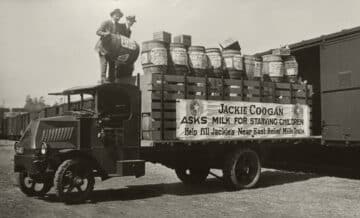
Field units report a year of relief work across Anatolia. New Near East, May 1920.