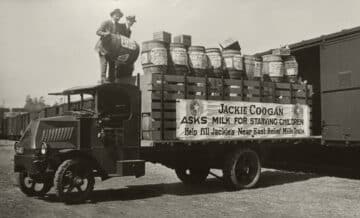
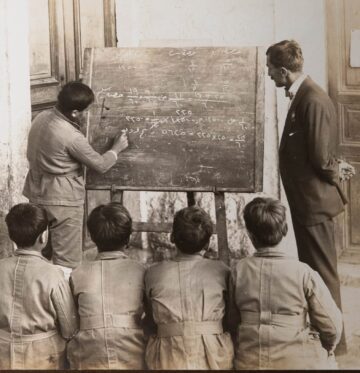
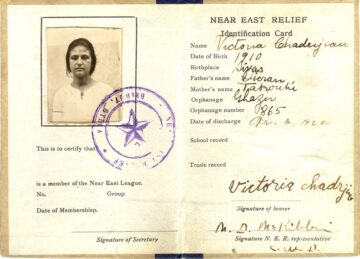
Barclay Acheson served as Associate General Secretary of Near East Relief from 1922 through the organization's transformation into the Near East Foundation in 1930, and continued with NEF as a director and advisor into the 1930s. In June 1926, he departed Constantinople on an extended inspection tour of NER operations.
This first volume covers Constantinople, the Syra island orphanage complex in Greece, Bulgaria's refugee settlements (including an audience with King Boris), and the Caucasus operations centered on Leninakan (present-day Gyumri, Armenia).
Key episodes include the death of Cleveland H. Dodge, NER's principal benefactor; the arrival of Dr. Frank Ross to begin the Survey Committee's field investigation; negotiations with Soviet authorities in Tiflis over NER's mandate and the disputed Seversky property; and a sustained reorganization of Caucasus operations through a formal "Concentration Plan" that consolidated scattered institutions and imposed budgetary discipline. Throughout, Acheson provides candid assessments of personnel, institutions, and the political environments in which NER operated.
This material is protected by copyright. Permission has been granted for its non-commercial research and educational display by NERHS. Uses beyond this permission may require permission from the rights holder. Users are responsible for determining rights status and compliance with applicable law. If you believe you hold rights in this material or have information about rights holders not currently reflected, please contact [email protected].
Diary entries, June 1–August 27, 1926. Administrative memoranda, inspection notes, personnel assessments, financial records, and the formal “Concentration Plan” for Caucasus operations reorganization. The digital document contains 208 scanned pages.