Location

Smyrna (Izmir)

Year

1922

Item Detail

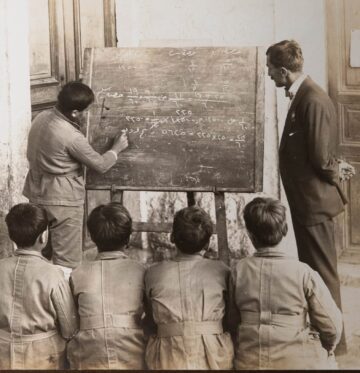
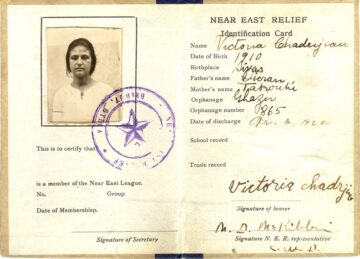
Turkish forces entered Smyrna in September 1922 and fire destroyed much of the city. Greek and Armenian survivors faced death, deportation, or flight, and Near East Relief moved staff and supplies to evacuation and refugee care. This issue reports 200,000 to 300,000 people driven to the Aegean shore as the city burned, and the 100,000 children the organization already supported. It presents education and cultural work as a way of holding together communities broken by the Greek and Armenian genocides. School campaigns, orphan education, hospital work, and appeals for Christmas purchases make up the rest.

Context

The New Near East was Near East Relief's monthly publication that reported on the organization’s work and mobilized financial support from American readers. Its articles preserve evidence of field conditions and institutional decisions, but they frame that evidence through Near East Relief’s own appeals for support.

View in the Digital Archive
  • Holding Institution

    Rockefeller Archive Center

  • External Link

  • Attribution

    Near East Foundation Collection, Rockefeller Archive Center

  • Rights

    No known copyright restrictions. Based on available information, NERHS is not aware of copyright restrictions on this material. Items are presented for non-commercial research and educational use. Users are responsible for determining rights status and compliance with applicable law. If you believe you hold rights in this material or have information about rights holders not currently reflected, please contact [email protected].

  • Notes

    Masthead: Vol. VII, No. XI, October 1922. Published by Near East Relief, New York.

  • Document Contents

    * “The Smyrna Catastrophe” reports that 200,000 to 300,000 people were driven to the Aegean shore as the city burned and links the emergency to the support of 100,000 children.

    * “Education for Service” addresses the schoolchildren of America and connects American education to children near Ararat.

    * “The Prize Winning Essay” reports Henry Morgenthau’s $2,000 contest and national awards of $500, $200, and $100.

    * “The Necessity of Armenian Relief,” by Bessie Baxter, is the first-prize essay and gives a long historical case for relief.

    * “Going to School in the Near East” is a photographic account of academic, craft, and recreational work in orphanages.

    * “Children Help” prints letters and gifts from American children who saw Alice in Hungerland.

    * “The Orphan,” by Ivan Hayian of the Sahag-Mesrobian Armenian Boys’ School in Trebizond, is a poem about an abandoned ten-year-old.

    * “Ancient Costumes of the Near East” shows girls at the Ortakeuy Armenian orphan school in Armenian and Kurdish dress.

    * “Where Heart and Ingenuity Are Taxed” follows Edith Wood’s hospital and sanitation work for 600 Greek refugee children at Malatia.

    * “The Soul of a People” interprets education and cultural survival among Armenian children.

    * “The Morgenthau Prize-Winners as Persons” profiles Bessie Baxter and the other national winners.

    * “A Foreword about Christmas” introduces refugee and orphan handiwork for sale.
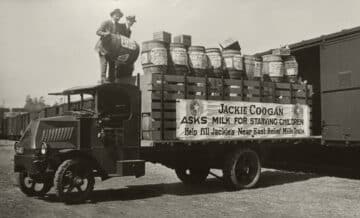
Schools and orphanages respond to the Smyrna catastrophe. New Near East, Oct 1922.