
Skip to Main Content

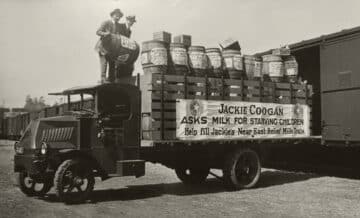
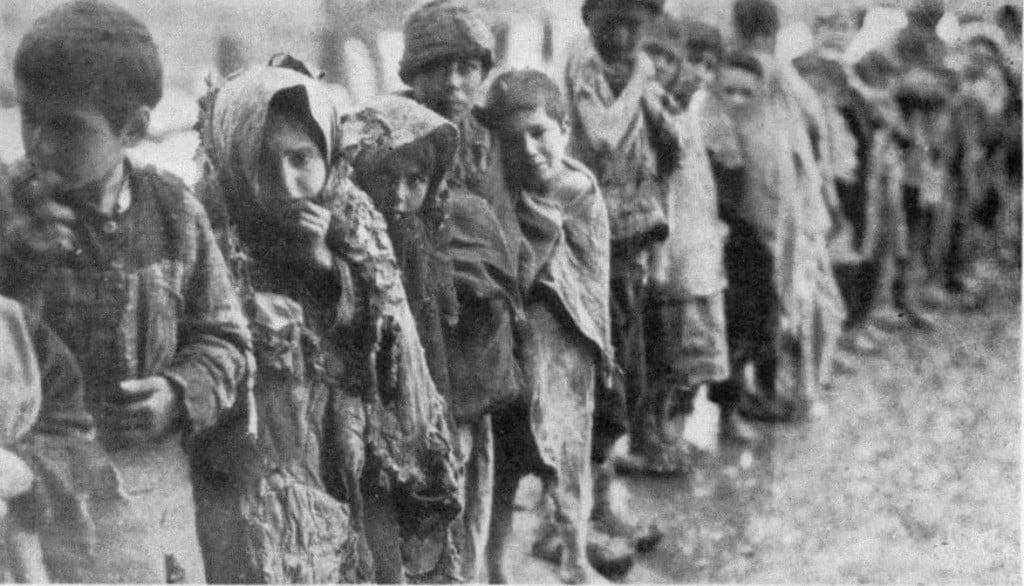
By the summer of 1919, the Armenian Genocide and the collapse of the Russian Caucasus had driven tens of thousands of orphaned children toward a handful of overstretched relief stations. Famine was spreading across the region.

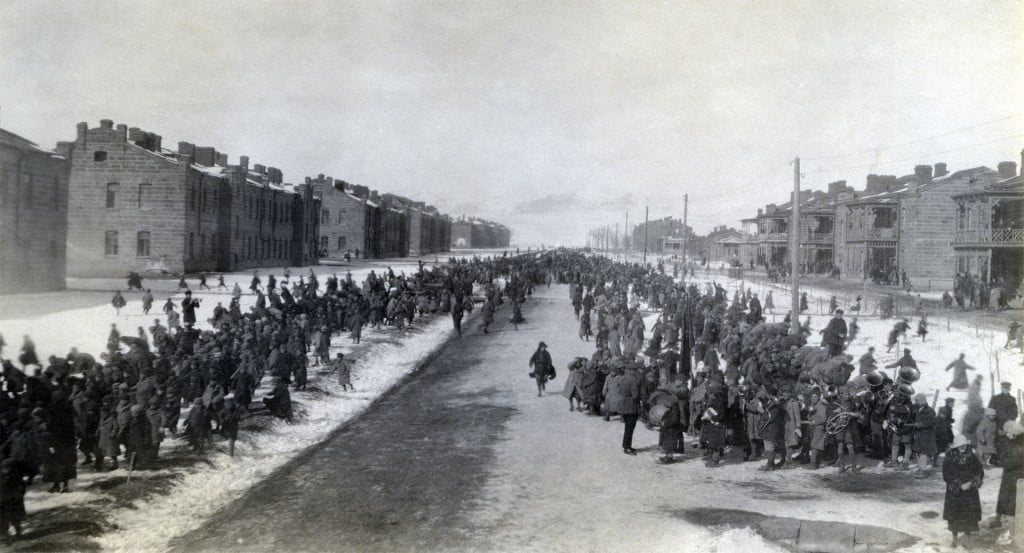
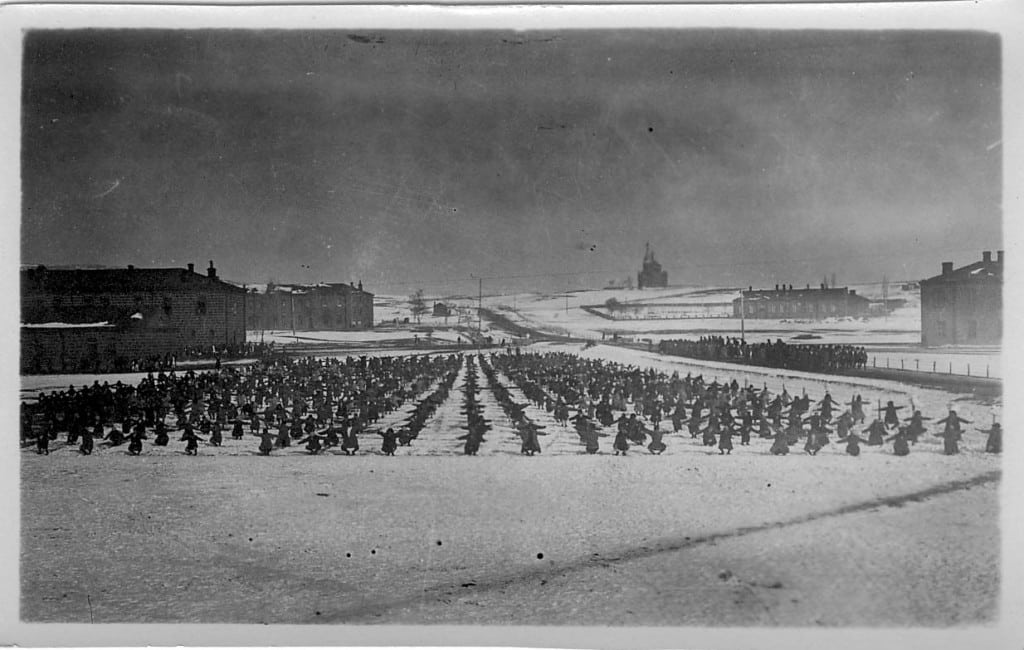
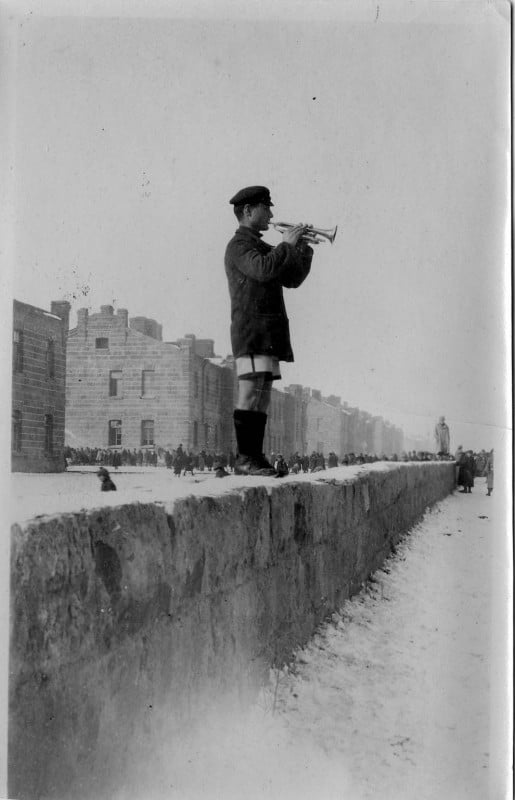
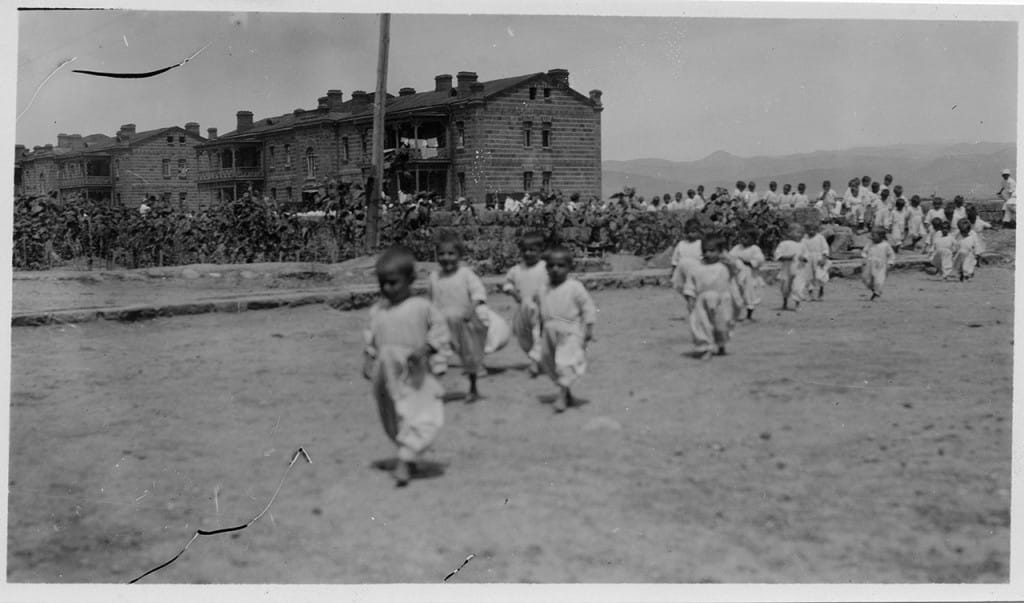
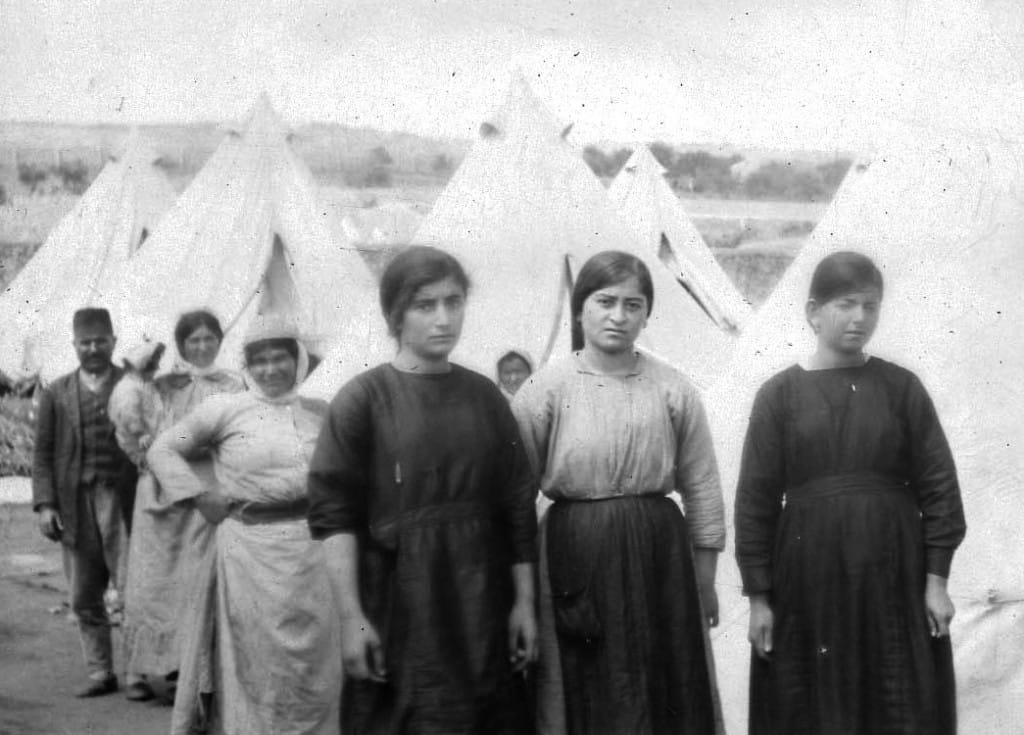
Near East Relief consolidated its Armenia operations at Alexandropol — a former Russian Imperial army base of 170 buildings on a rail junction in the Caucasus — and turned it into what staff and the American press came to call the Orphan City. At its peak, the complex held more than twenty-two thousand children.
A Precarious Existence

When the Turkish army captured Kars in October 1920, the thirty-nine Near East Relief workers in Armenia were urged to evacuate. None of them did. NER’s Caucasus Director, Ernest A. Yarrow, recorded the reasoning: “25,000 orphans in our care would have small chance of survival if we left.”

Turkish troops took Alexandropol in November. The children at the complex were cut off from supply lines, as were the more than two hundred thousand refugees who depended on the Alexandropol rail link for food and fuel.

The children and the staff lived through famine. The Alexandropol staff stretched the food supply by putting everyone on half rations and held the line until the first shipment from Batum reached the city in April 1921. Erivan was evacuated due to a lack of food and fuel. Through it all, the orphanage population kept growing as the war between Armenia, Turkey, and Soviet Russia drove more children into the complex.

Under pressure from the Turkish advance, the Armenian government accepted Soviet rule in December 1920. In January 1921, Soviet officials informed Near East Relief that the organization could continue its work in Soviet Armenia provided it took no political position.

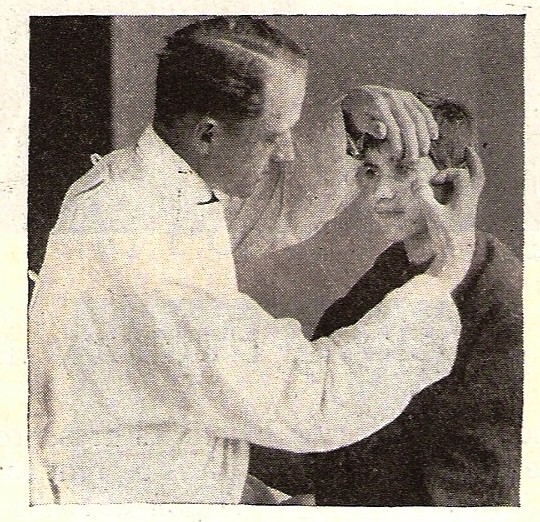
The renewed refugee flow brought a new health emergency. Trachoma was the most pressing problem. By 1920, Alexandropol had 5,000 trachoma cases. Near East Relief converted Seversky Post into a children’s trachoma hospital and reduced the caseload to 3,500 within 2 years.