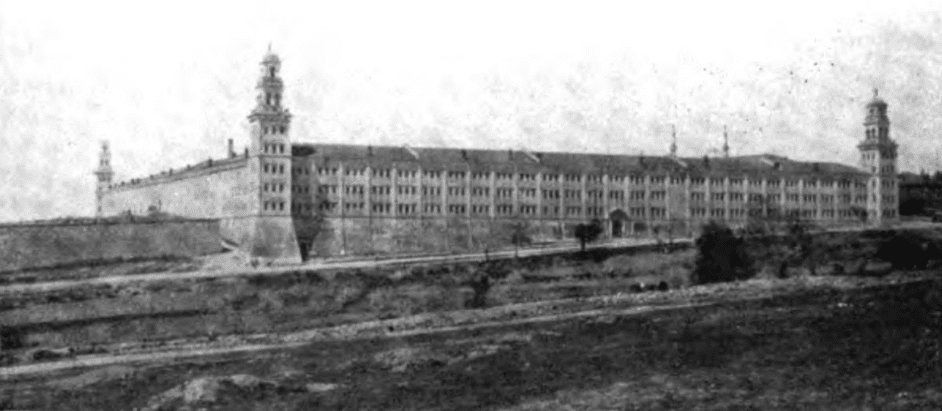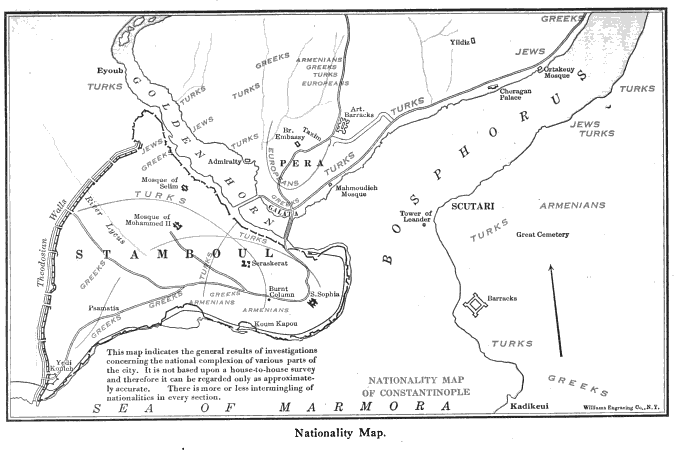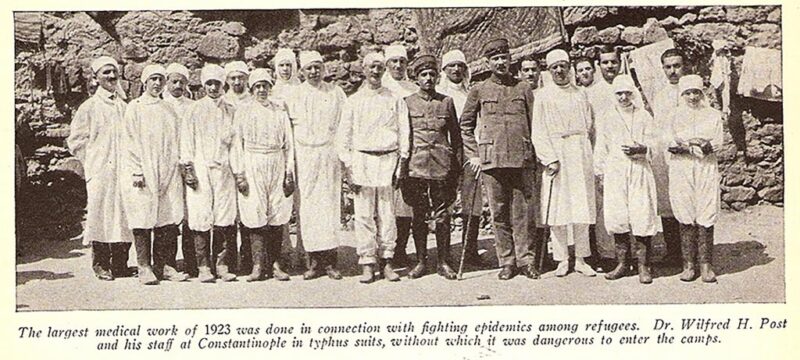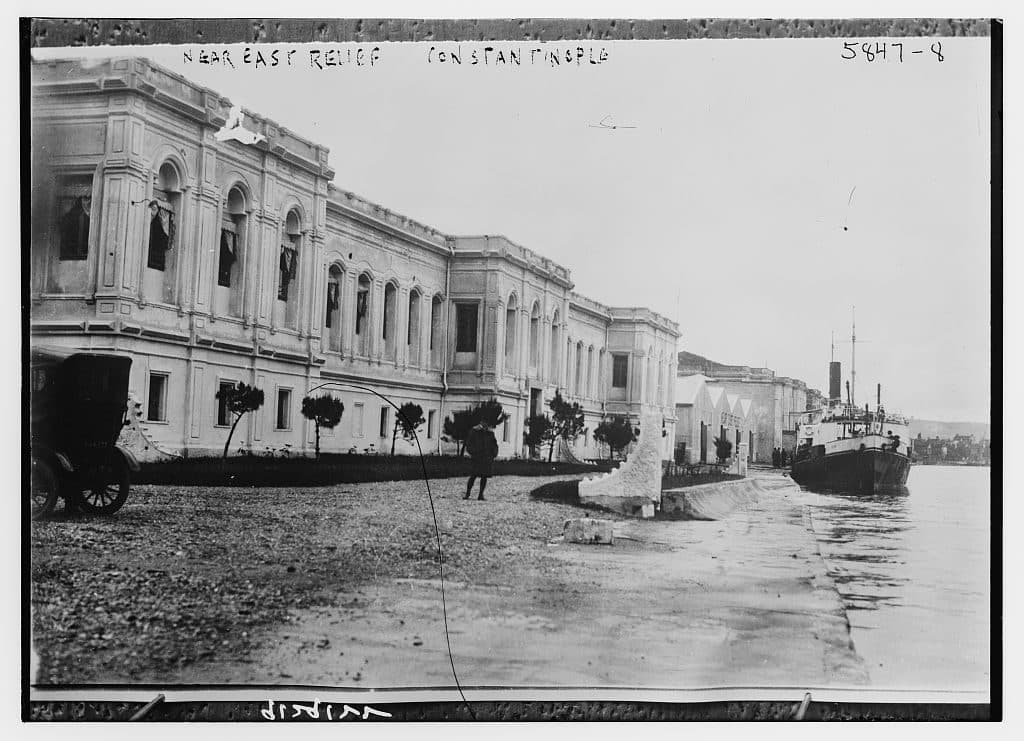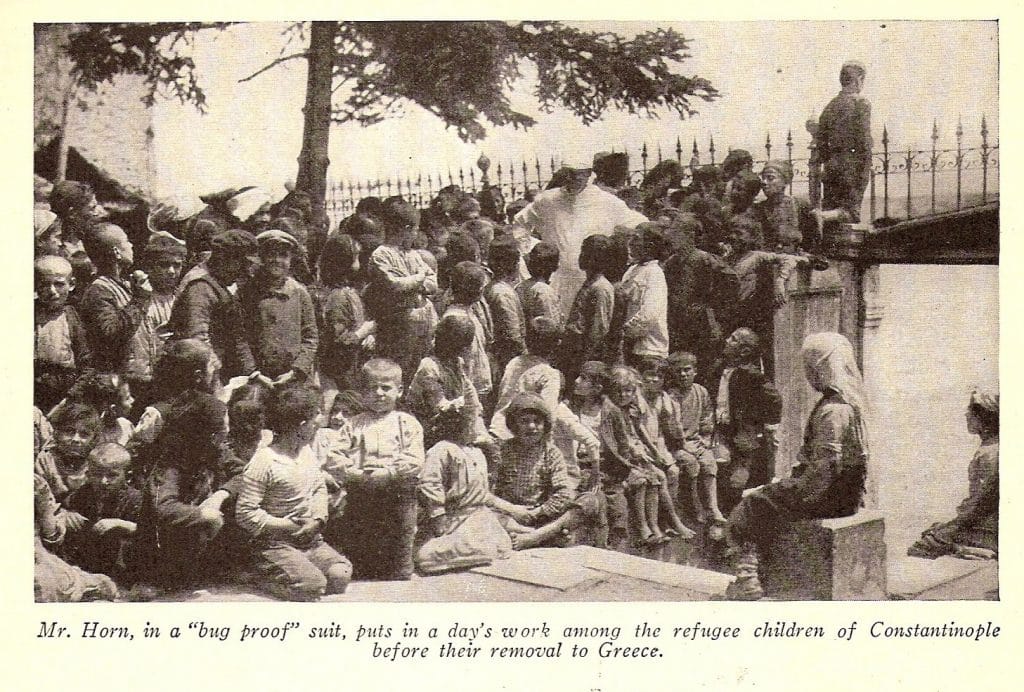
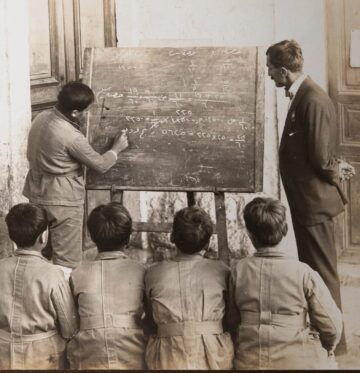
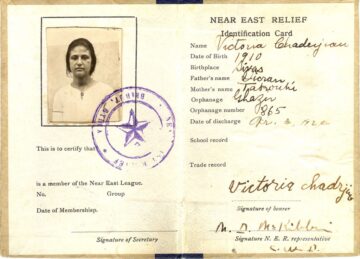

On the Asian shore of the Bosphorus stood the Selimieh Barracks, an Ottoman army facility dating to the late eighteenth century. By the summer of 1922, it held more than 9,000 refugees. Christopher Thurber, a NER relief worker newly arrived from Sivas with refugees he had brought through the Anatolian interior, helped convert what had been a military installation first into a quarantine and then into a working camp. Dr. Post, the NER physician on site, designed protective garments that came to be called “bug-proof suits” — improvised infection control for conditions where typhus, cholera, and dysentery moved as quickly as the people.
This third dispatch follows the work at Selimieh.