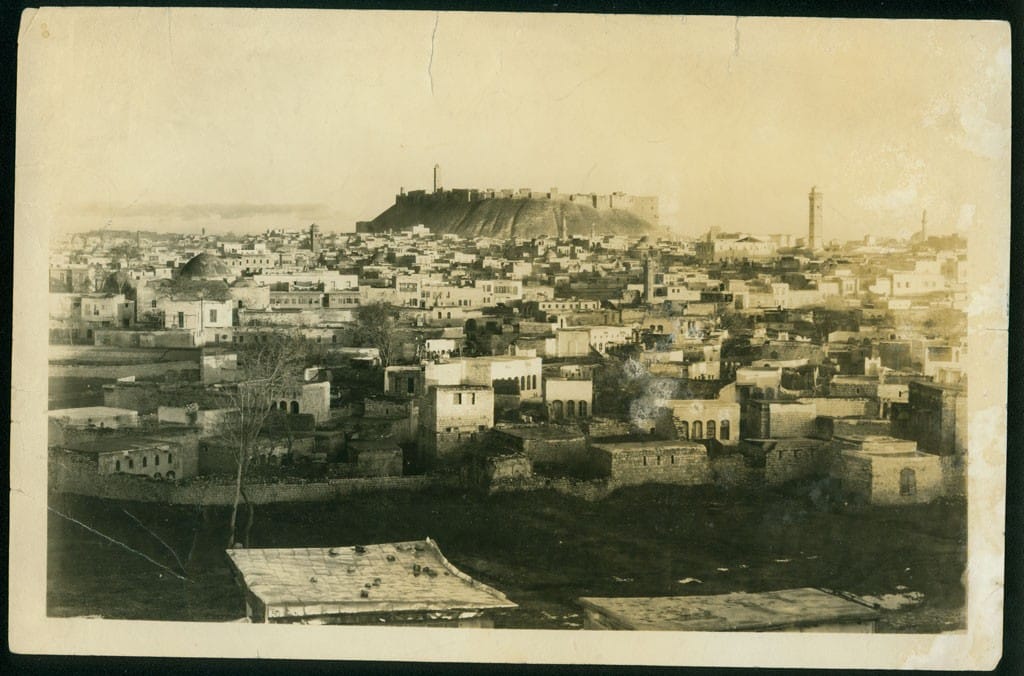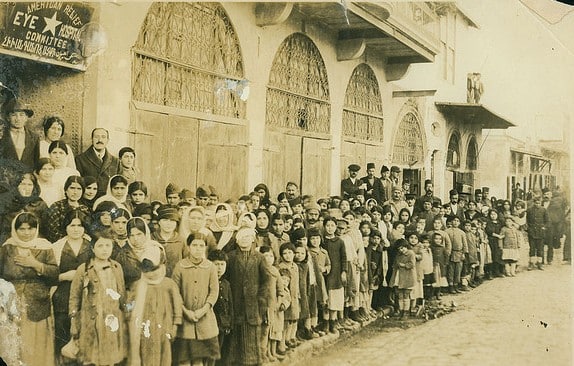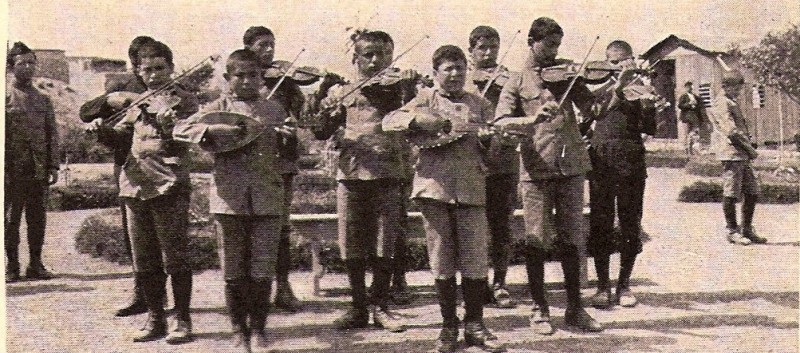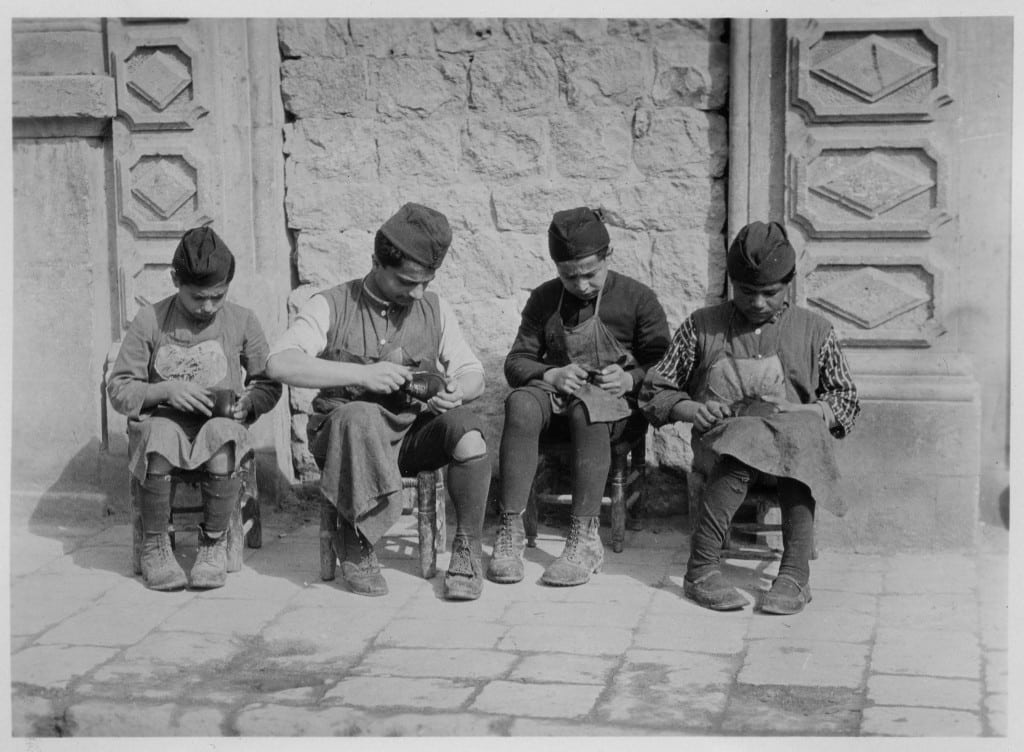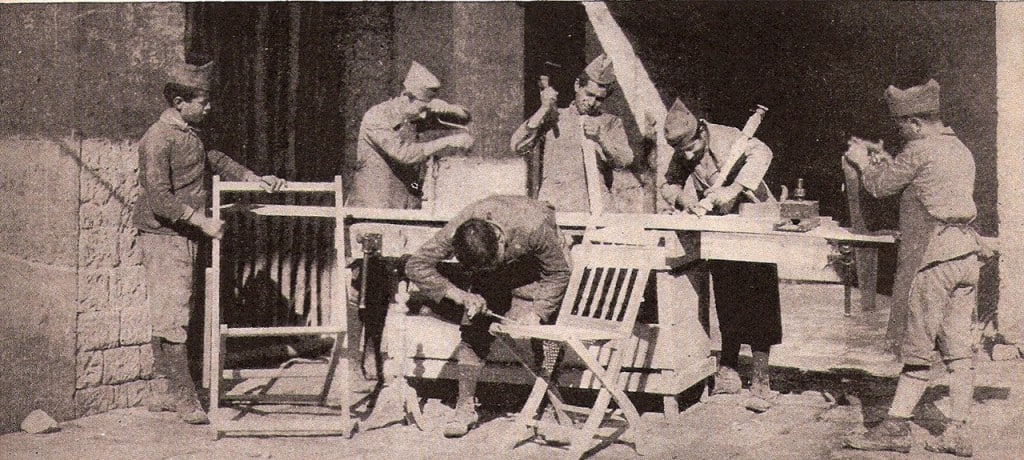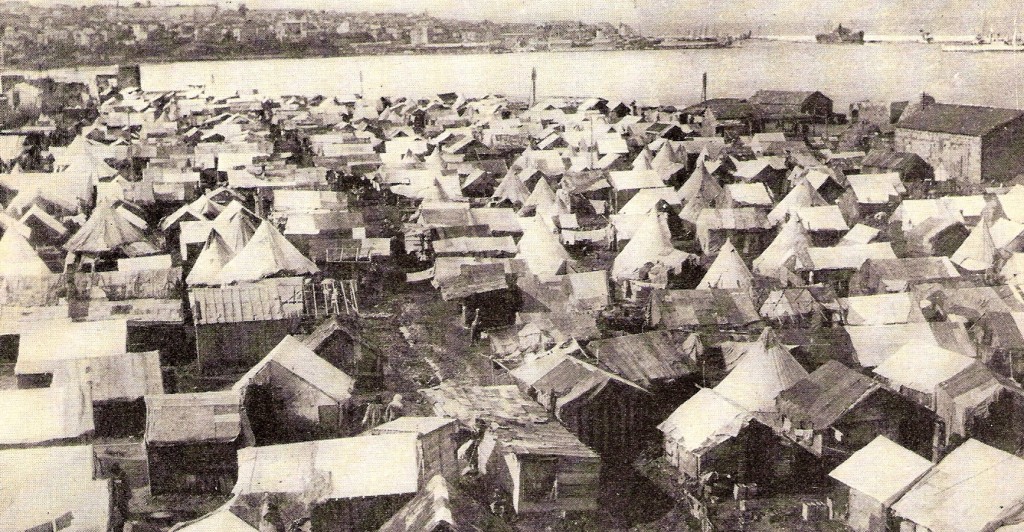
In 1915, the Ottoman government deported hundreds of thousands of Armenians from Anatolia toward the Syrian desert. Aleppo, an ancient trading city on the route, became a way station and, for tens of thousands, a destination. Three waves of refugees reached the city over the next decade — the first survivors of the 1915 deportations, then a second wave during the war, and a third after the destruction of Smyrna in 1922 brought 12,000 Near East Relief orphans south from the Anatolian interior. By the mid-1920s, Aleppo’s Armenian population had reached an estimated 79,000.
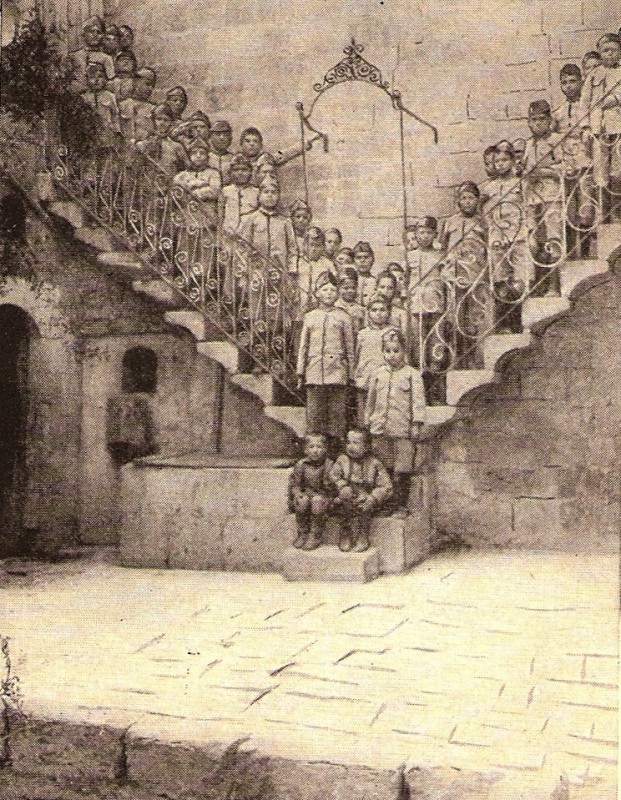
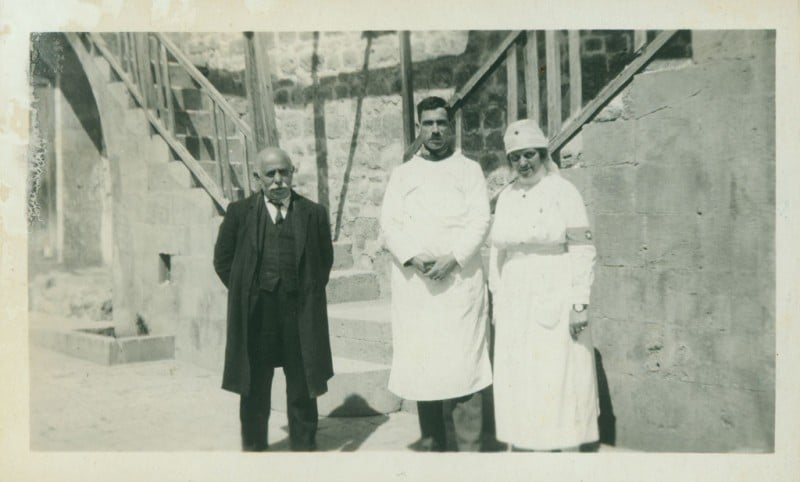
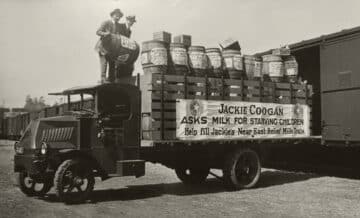
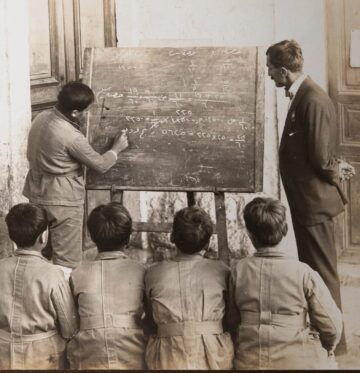
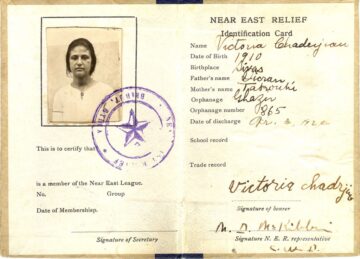
Near East Relief ran orphanages for more than 1,600 children, a School for the Blind, and a vocational training network whose graduates filled a neighborhood the city came to call the Street of Near East Relief. This dispatch traces that work.