
Collections
Constantinople to Washington: The Cables Behind Near East Relief (1915)
Between July and September 1915, Henry Morgenthau, the American ambassador in Constantinople (Istanbul), and Robert Lansing, the United States Secretary of State, exchanged a series of coded telegrams about the Armenian Genocide as it unfolded. Morgenthau reported what his consuls and the American missionaries were seeing: the arrest, deportation, and massacre of the Armenians, which he called “a systematic plan to crush the Armenian race.” Within days he warned that the same policy had reached the Ottoman Greeks and was “aimed at all christians.”
Washington’s reply marked the limit of official action. Lansing approved Morgenthau’s pleas to the Ottoman ministers but told him the Department “can offer no additional suggestions.” Morgenthau pressed harder. From “harrowing reports of eye witnesses,” he cabled, “a campaign of race extermination is in progress,” and nothing short of force, which the United States would not use, could meet it. He urged Washington to tell the warring nations and the American mission boards what was happening.
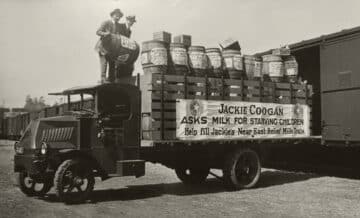
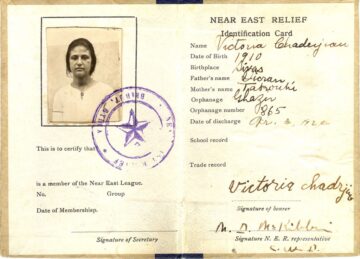
On September 3 he turned from the government to private citizens, asking that Cleveland Dodge, Charles Crane, John Mott, Stephen Wise, and others form a committee to raise funds and save those they could. They met in New York that month and founded the Committee on Armenian Atrocities, which became the American Committee for Armenian and Syrian Relief and, by 1919, Near East Relief. These five cables are the record of how an American relief movement began where diplomacy had stalled.
Each item links to the full archival record.