
Skip to Main Content

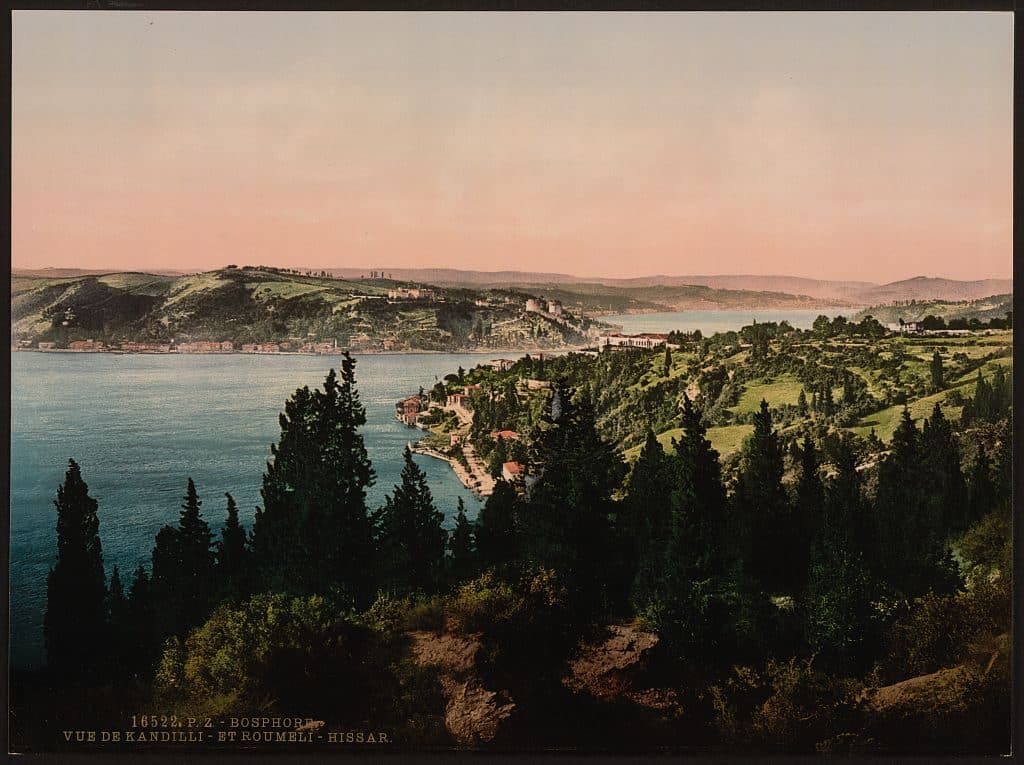
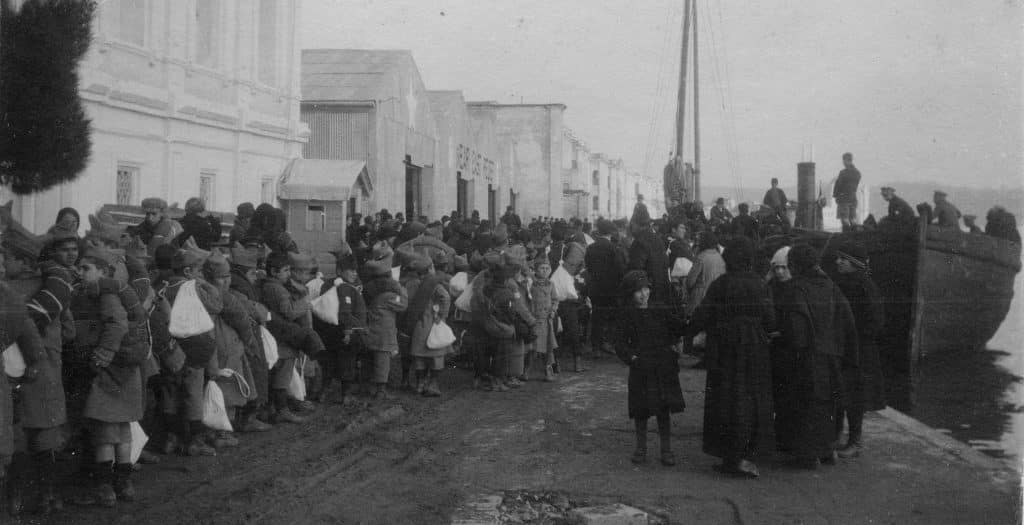
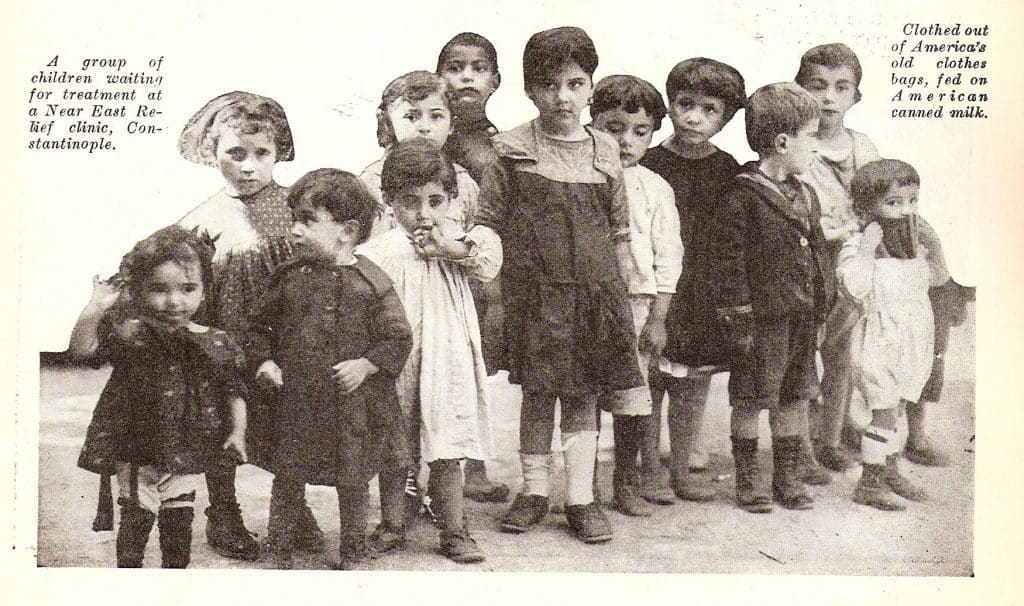
By the summer of 1922, Near East Relief was supporting approximately 10,000 orphaned children across more than twenty institutions in Constantinople. They were Jewish, Greek, and Armenian. They lived in former palaces, rented buildings, and on the Princes’ Islands. NER coordinated with the Greek Central Committee of Constantinople, the local Armenian Central Committee, and Constantinople’s Jewish community to support orphanages run by those communities. Late that year, the organization rented a former Ottoman waterside palace, or yali, at Yenikeuy on the Bosphorus, where it planned to consolidate operations.

This fourth and final dispatch in the series turns to the children: where they came from, who cared for them, and where they eventually went.
Jewish Orphanages

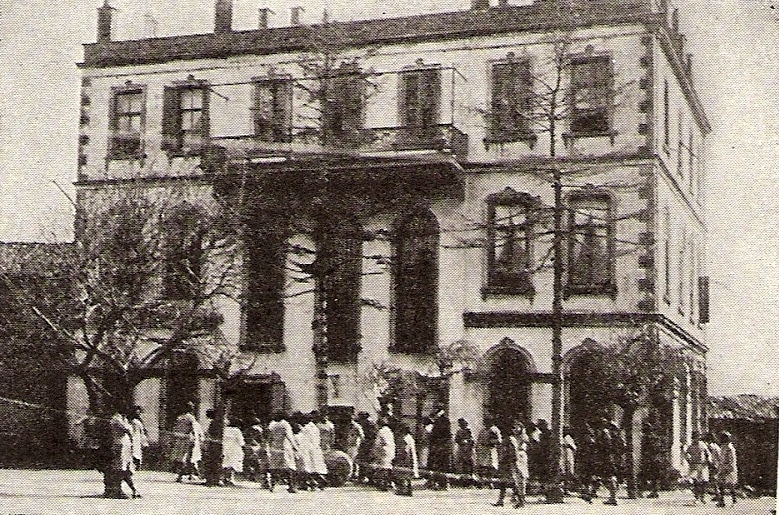
Near East Relief worked with Constantinople’s established Jewish community to support two orphanages. The orphanage at Ortakeuy (now Ortaköy) was home to 210 Jewish girls who received half-support from Near East Relief. One Ortakeuy orphan named Esther Razon (later Alice Duryea) would find international fame when she starred in the Near East Relief film Alice in Hungerland. The film included live footage of several Near East Relief orphanages in Constantinople. Near East Relief managed and partly funded the Jewish orphanage at Haskeuy (now Hasköy), which housed 100 children. The diverse neighborhood of Haskeuy, which means “fine village,” was home to the long-standing Kalfyan Orphanage.

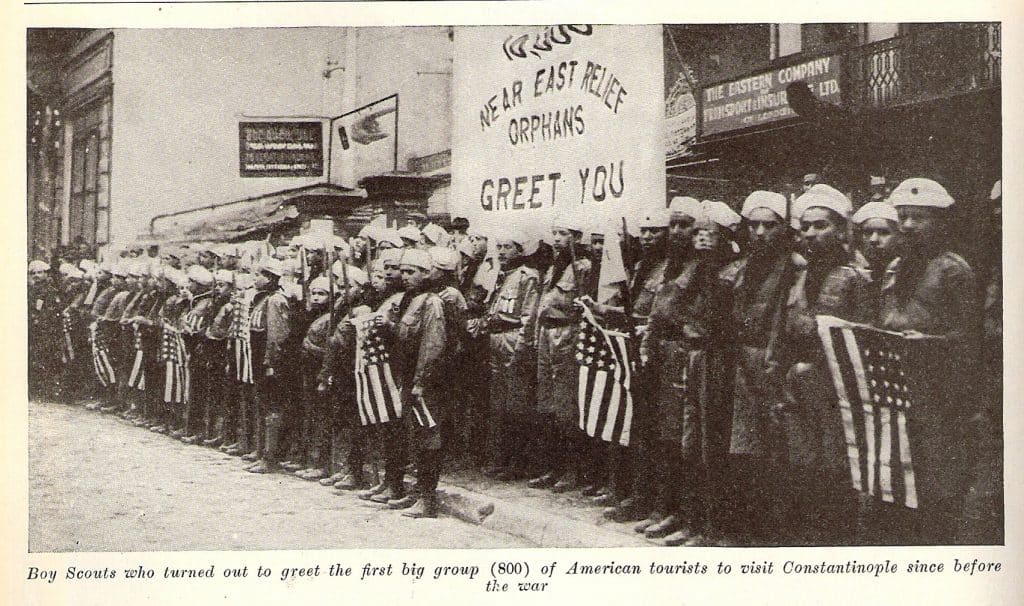
Haskeuy also hosted a specialized Near East Relief trachoma orphanage that housed 133 young female patients. The image at left was identified as the Haskeuy Orphanage in the July 1922 issue of the New Near East magazine. It is unclear whether this is the Jewish orphanage or the trachoma orphanage. An additional 500 Jewish orphans lived with foster families in Constantinople.

Armenian Orphanages

Near East Relief was involved in at least 11 of the Armenian orphanages in Constantinople in 1921. Near East Relief often collaborated with the local Armenian Central Committee (ACC). The youngest orphans were housed in two Kindergarten Orphanages: 155 children in Beshiktash (now Beşiktaş), and 70 in Khouroutchesme (now Kuruçeşme). The former was an excellent building with plenty of outdoor space for play. The latter was hindered by a lack of water, which could only be obtained from a public fountain one block away.

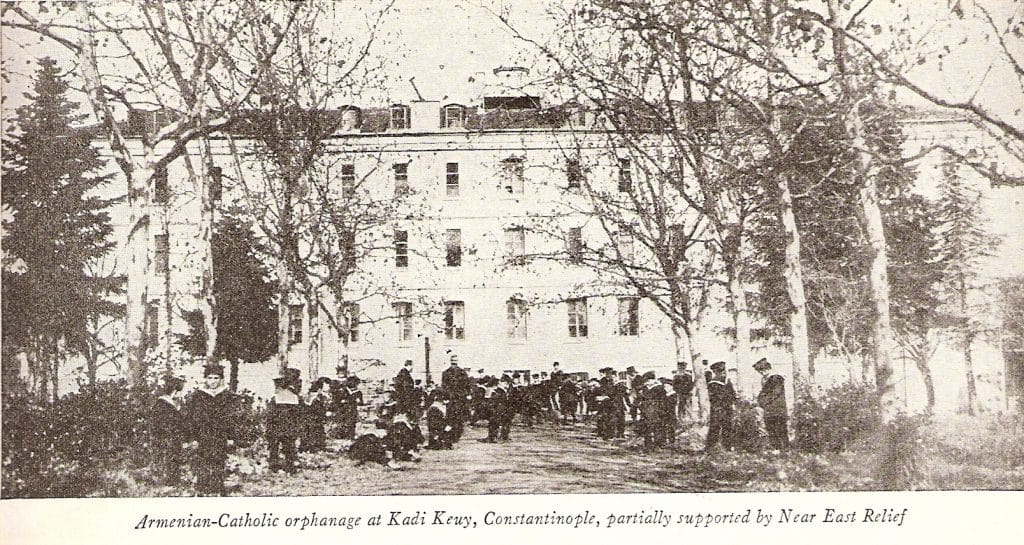
Near East Relief worked with the ACC to run five orphanages for older children. The orphanage at Balat housed 100 Armenian girls in the Constantinople’s traditional Jewish quarter. Ortakeuy (now Ortaköy) was home to 170 Armenian girls who were studying to become teachers. The Scutari Orphanage (now Üsküdar), located in the same district as the Selimieh barracks, housed 105 girls. An additional 100 girls lived in Koum Kapou (now Kumkapi). The largest of these orphanages was located in a beautiful palace in Kadikeuy (now Kadıköy). The 250 girls at Kadikeuy enjoyed a particularly good educational program, which included music and drawing. Haskeuy was home to the aforementioned trachoma orphanage.

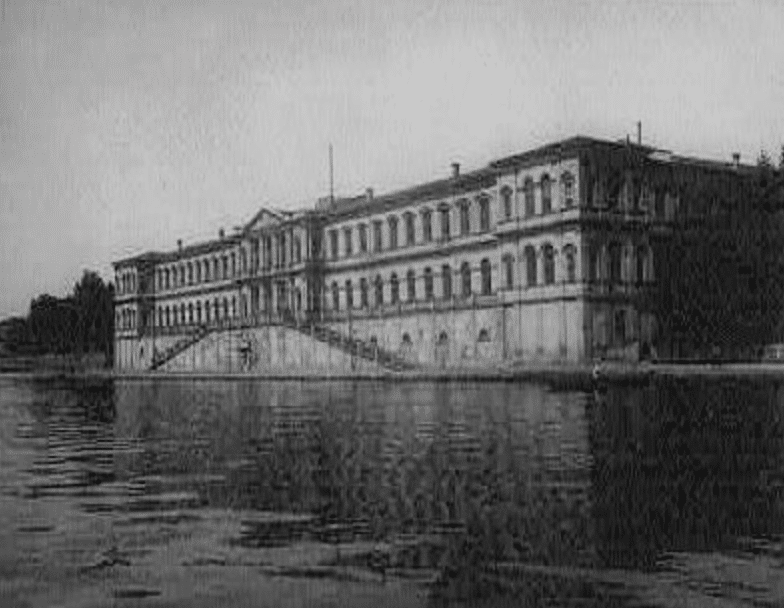
The largest orphanage of all was located in the former Ottoman military academy at Kooleli (now Kuleli). The large complex was home to 1,000 boys. Near East Relief obtained the school from the British government. Kooleli was unique in that it had an enormous staff. The Kooleli Orphanage boasted 29 teachers, a dedicated recreation director, a priest, and a doctor.

The boys enjoyed two recreation halls and swimming facilities. The boys of Kooleli also took it upon themselves to form a library and literary society; what they lacked in books they made up for in enthusiasm. There was also a dedicated trachoma hospital with 60 girls and 270 boys at Kooleli.

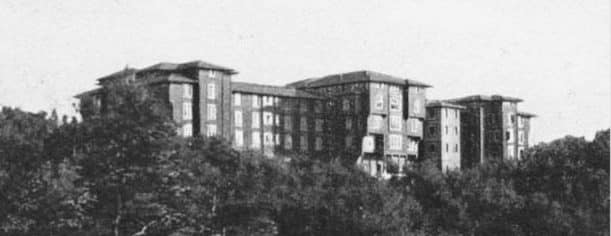
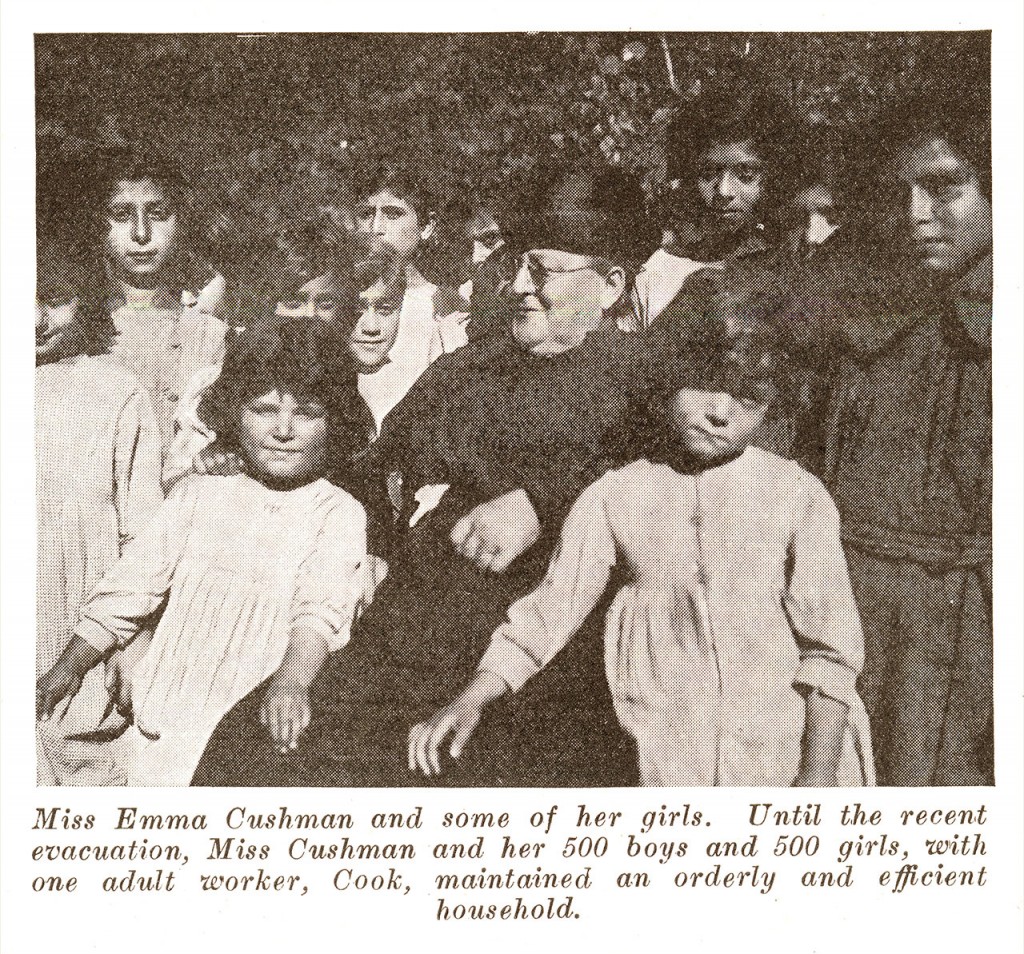
Near East Relief worker Emma Cushman supervised a large orphanage at Boyadjikeuy (now Boyacıköy). The neighborhood is home to an Armenian church that dates back to 1885; the cemetery goes back to the 1820s.

View of Kooleli Military School, c. 1890. Library of Congress.