Exhibits Voices of Near East Relief
Survivors & Orphans
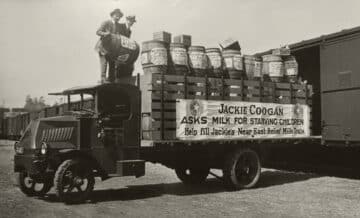
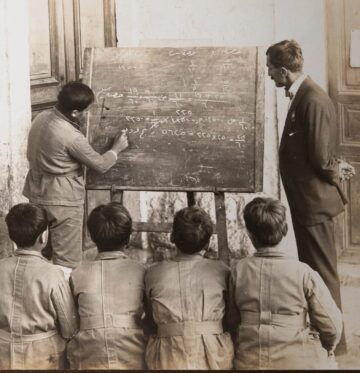
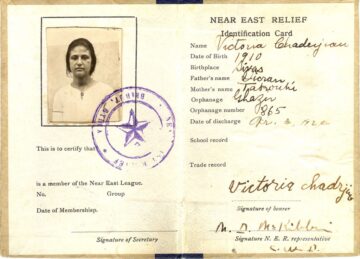
Between 1915 and 1930, Near East Relief sheltered, fed, and schooled more than 132,000 orphaned children — survivors of the Armenian, Greek, and Assyrian Genocides, the Russian Civil War, and the population exchanges that followed the fall of the Ottoman Empire. Its orphanages reached from the Caucasus to Syria and Lebanon, and across to Greece. The children came by many paths: carried down from massacre sites by relief workers, given up by widowed mothers, found in caves, recovered from captors and from forced conversion. Not every survivor was a child. Older youths and adults endured the same deportations, and some — teachers, caretakers, local staff — guided the younger ones through the orphanages and recorded what they lived through.
These accounts come from within the orphanages and the journeys that led to them. Many were taken down by NER staff at intake — newly arrived children describing, in writing, what had happened to their families. The rest are the survivors’ own: written by children in their first languages and their own hands, and by the Armenian, Greek, and Assyrian teachers and caretakers who had lived through the genocides and set down what they had seen.
Each item links to the full archival record.