Collections
Citizen Philanthropy
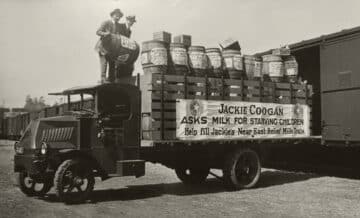
On September 16, 1915, a small group of men met in Cleveland H. Dodge’s office at 99 John Street in New York and raised $60,000 before they went home. Fifteen years later, the committee they founded that afternoon had collected more than $116 million — the equivalent of over $2 billion today — nearly all of it from private citizens. It came from schoolchildren, congregations, and small-town committees, and from the more than one million Americans who sat down to a four-cent orphanage meal on the first Golden Rule Sunday.
This collection documents the campaign machinery behind those numbers: school drives, church campaigns, Bundle Day clothing collections, and Golden Rule Sunday itself, the international observance that NER General Secretary Charles V. Vickrey organized in roughly six weeks for its first observance on December 2, 1923, with President Coolidge’s public endorsement. It also holds the founding record — Vickrey’s own account of the September 1915 meeting, written as a foreword to the committee’s first minute book.
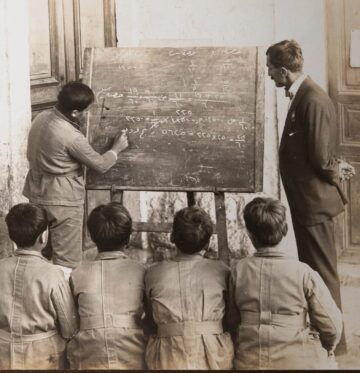
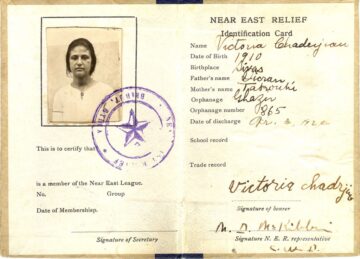
No single collection explains the rest of this museum more directly. The orphanages at Alexandropol, Syra, and Ghazir, the hospitals at Harpoot and Aleppo, the evacuations and the rescue caravans documented in the collections around this one — the campaigns gathered here paid for all of it. Citizen philanthropy made Near East Relief the largest American humanitarian effort of its era, and this is the part of the story in which a visitor’s own town, school, or church may appear.