1917–1927
Citizen Philanthropy
Near East Relief pioneered the idea that all Americans, regardless of age, income or background, could help people in need. From community groups to children – anyone could help by donating time or expertise. Before this, philanthropy was the domain of wealthy people who could afford to make large gifts. This chapter follows the campaign on the American home front.
Publicizing Near East Relief’s Work
The new medium of film had produced a completely new phenomenon: the movie star. Popular silent film actors used their fame to publicize Near East Relief’s important work. Stars participated in Bundle Days by donating old clothes and collecting canned food as the admission fee for special film screenings.
Posters and Publications
Near East Relief created vibrant campaign materials to capture the nation’s attention. Designed by some of America’s top artists, the posters and postcards featured bright colors, captivating images, and memorable slogans.
Alice in Hungerland, a Near East Relief Film
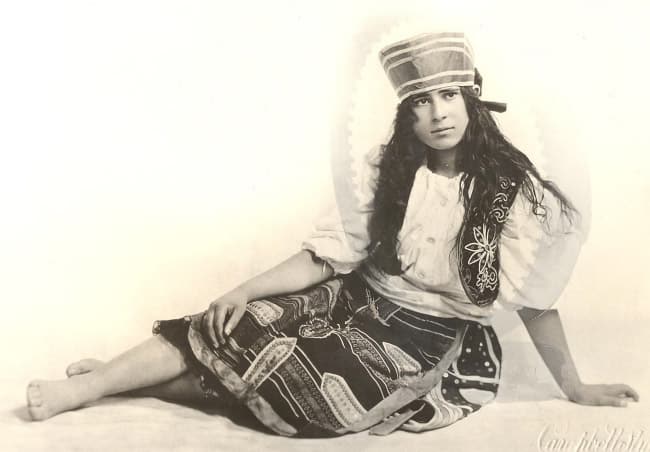
Young Esther Razon was living in a Jewish orphanage in Constantinople when she was selected to play the main role in Near East Relief’s 1921 film Alice in Hungerland. The silent film tells the story of an American child who stows away to Constantinople to visit her father, a Near East Relief worker.
1920
Bundle Days
Orphans and adult refugees arrived at Near East Relief stations dressed in scavenged rags. In the States, local volunteers organized daylong campaigns to gather used clothing for shipment overseas. Bundle Day volunteers gathered sacks of sturdy clothing and shoes, which were then sorted based on gender and age. “The Bigger Your Heart, the Bigger the Bundle” was a popular Bundle Day slogan.
December 1923
Golden Rule Sunday
Beginning in 1923, Near East Relief urged families across the nation to eat a simple orphanage-style meal on the first Sunday in December. Families were then asked to donate the difference between that meal and a normal Sunday dinner to Near East Relief. Several U.S. presidents issued proclamations and endorsements for Golden Rule Sunday, including President Calvin Coolidge.
Corporate Sponsors Pitch In
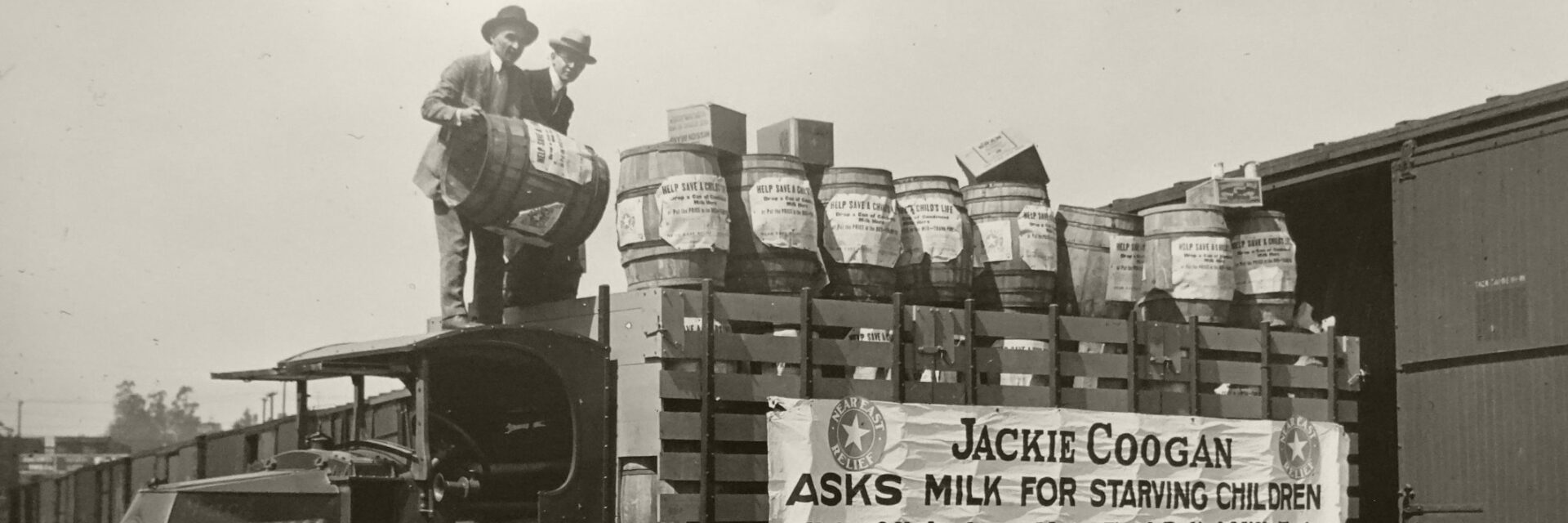
Well-known American businesses like Heinz and Campbell’s donated goods and services for direct relief efforts. Non-perishable foods like condensed milk, canned soup, and cocoa powder were dietary staples for orphans and refugees.
The New Near East Magazine
Near East Relief began producing the New Near East magazine in 1919 as a way to keep donors informed of developments overseas. The stories featured firsthand accounts from the field, including profiles of relief workers. Although publication was not always regular, the New Near East ran through 1927.
Jackie’s Million-Dollar Campaign
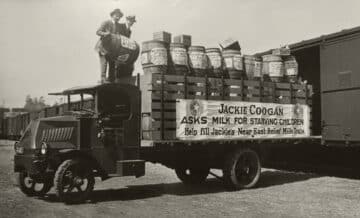
At just nine years old, silent film actor Jackie Coogan became the original celebrity humanitarian. In 1924, the child star traveled across the country to raise one million dollars for Near East Relief.
Ravished Armenia
Aurora Mardiganian was the first Genocide survivor to receive widespread attention in the United States. Published by the American Committee for Relief in the Near East (later called Near East Relief) in 1918, Aurora’s bestselling autobiography introduced thousands of Americans to one girl’s heartbreaking story of survival.